← All boards

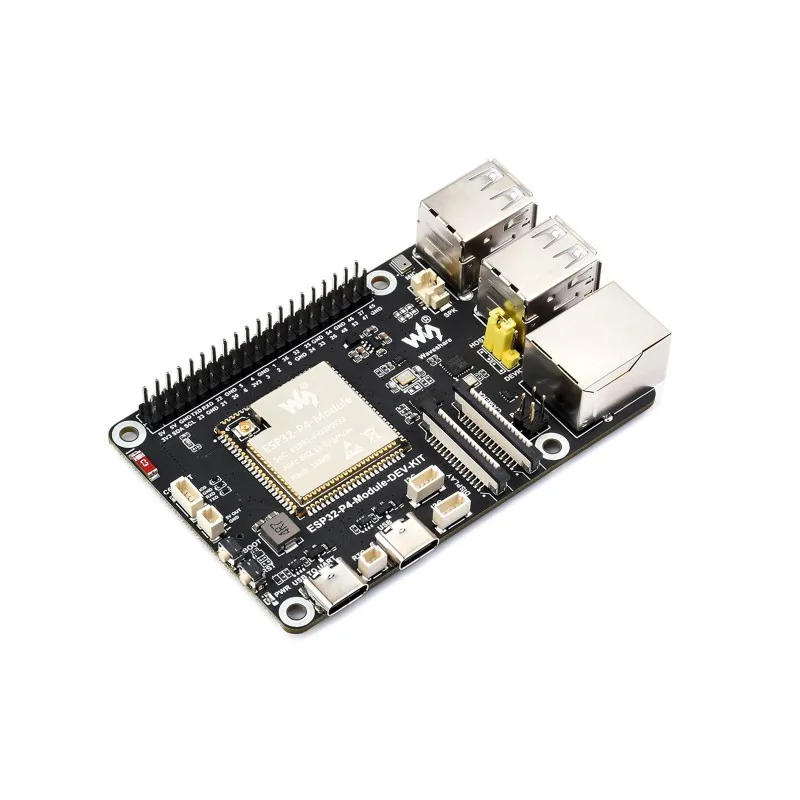
ESP-KVM is free, open-source firmware that turns the Waveshare ESP32-P4-Module-DEV-KIT into an IP-KVM: the screen, keyboard and mouse of another computer in your browser, from the BIOS up. Add an HDMI capture board, flash it from the browser, and it runs with no Linux, no app and no cloud. What it does → Try the demo →

Waveshare ESP32-P4-Module-DEV-KIT
The device - community-tested

Waveshare ESP32-P4-Module-DEV-KIT

The P4, an ESP32-C6 and flash in one module, on a carrier with Ethernet and a card slot.

StatusRun on hardware
FamilyAll Waveshare parts
Fit for a KVM 4.5 of 5 8.5 of 10 points
  • ✓tested on hardware+3
  • ✓rev 3.x chip (faster H.264)+1.5
  • ✓Ethernet+1.5
  • ✓Wi-Fi+0.5
  • ✓PoE+1
  • ✓microSD+0.5
  • ✗plain USB cable to the target0 of 1
  • ✓capture ribbon fits as is+0.5
  • ✗large board (48 cm²)0 of 0.5

Rated for a unit with the rev 3.x chip. This board is also sold with rev 1.x, and the product code does not say which one arrives. With rev 1.x it scores 3.5 of 5. Read the chip in the browser.

ChipESP32-P4, rev 1.x or rev 3.x (an image for each)
Memory32 MB PSRAM, 16 MB flash
Size85 x 56 mm
Network100M Ethernet, PoE with an add-on module (not included), Wi-Fi 6 (ESP32-C6)
To the targetUSB-A (jumper; A-to-A cable, 5 V wire cut)
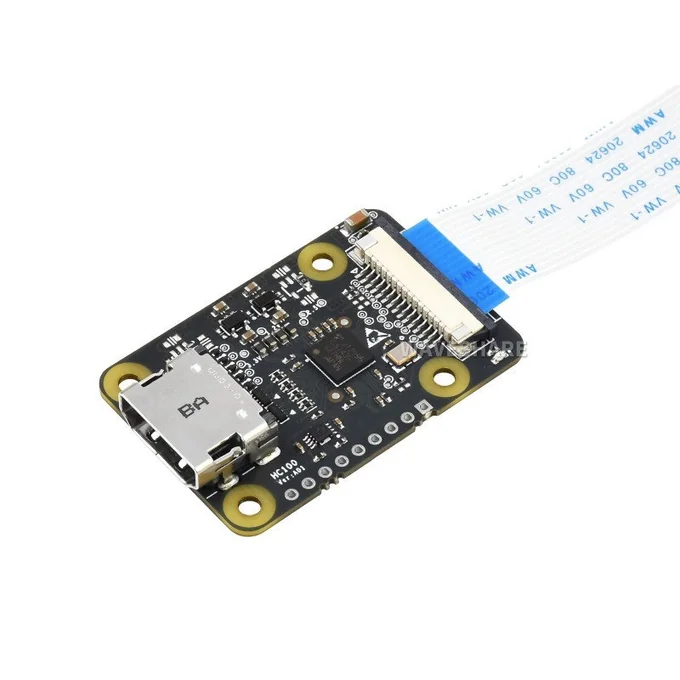
Capture connector15-pin Raspberry Pi camera connector
microSDyes

Which revision? Read the chip: ESP32-P4NRW32X, with an X at the end, is rev 3.x; ESP32-P4NRW32 without it is rev 1.x. The product code does not tell. Or plug the board in and read it in the browser: it shows the revision, the flash and the PSRAM.

Install from the browser Waveshare product page Compare

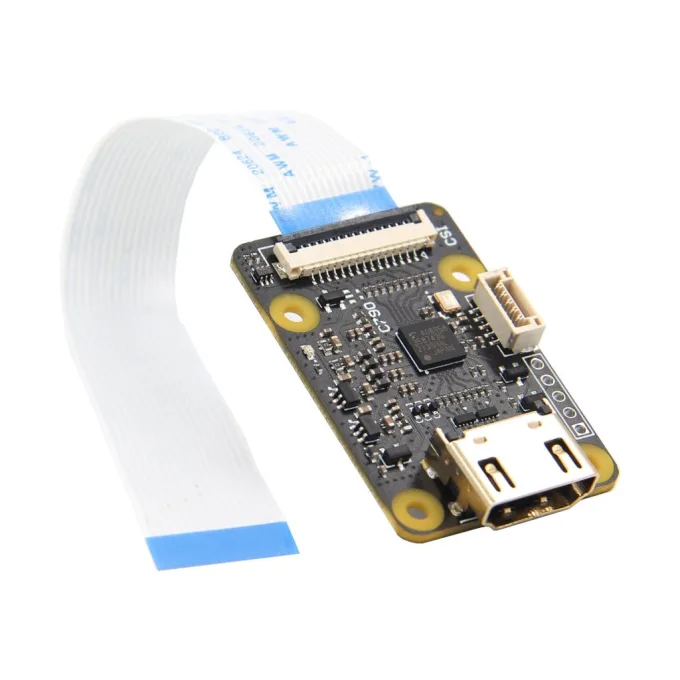
The P4, the ESP32-C6 and 16 MB of flash under one shield, on a carrier with 100M Ethernet, a card slot, a 2x20 header and four USB-A sockets. Every pin the KVM touches is one already in use, and a C790 ribbon plugs straight in. The -A, -B and -C kits are the same board with a different screen in the box.

Wiring

  • A jumper switches the OTG-HS between one Type-A socket and an internal hub. The KVM wants the socket.
  • That socket drives its own 5 V, so the lead to the target is an A-to-A cable with the 5 V wire cut.

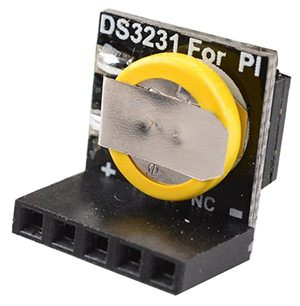
Its 40-pin header has the Raspberry Pi layout, with the capture chip's I2C bus on pins 3 and 5, so a "DS3231 for Pi" clock module should plug straight onto pins 1-9 (read from the vendor pinout, not tried on this board).
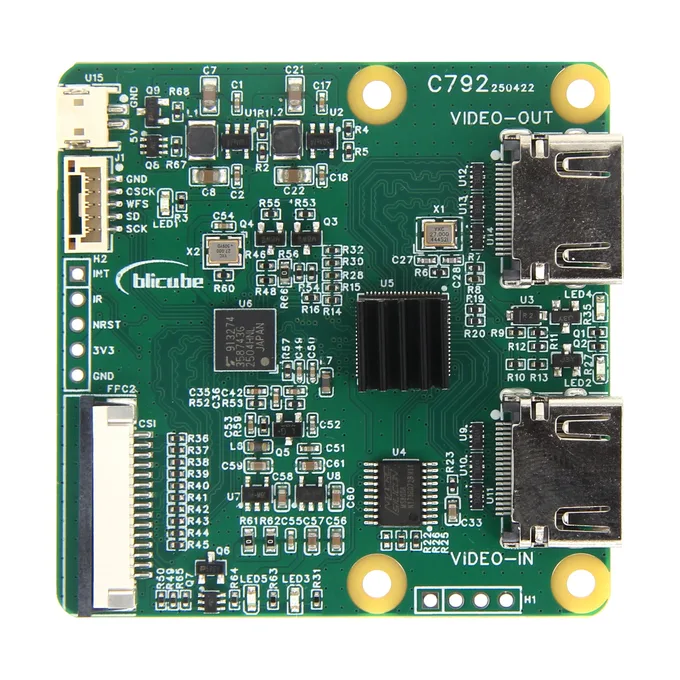
Capture boards

Modules that fit it